
Rethinking Motivation, Status, and Adolescence
What happens to a child’s motivation as they transition from the orderly halls (in theory) of elementary school to the complex social ecosystems of middle school? Why do traditional methods of praise and positive reinforcement sometimes appear to falter during this period of development? A few days ago, a kindergartner burst into my office, proudly waving his point card in my face to show me that he made his day. I can’t really point to a similar moment at a middle school. This contrast frustrates me endlessly and has left me reflecting on how educators can effectively guide adolescent behavior during a period when it often feels as though they are slipping further from our influence.
In the early years, a gold star or a teacher’s kind word can feel like a treasure. These small tokens of praise are straightforward and authoritative—adults set the standards, and younger children tend to trust them. By the time they hit early adolescence, though, something shifts. Suddenly, it’s less about what the teacher thinks and often more about what peers think. The same student who once beamed at a sticker they earned on their desk might now care more about what kind of sneakers they wear, or whether their Instagram story gets enough views.
Why does this happen? I don’t think that adolescents stop caring about recognition. Rather, teens become more attuned to it than ever—they just want the kind of recognition that resonates with their peers. Psychologists like Erik Erikson describe adolescence as a critical period of identity formation, and this often means looking to peers, not just adults, for approval. Carol Dweck’s work on mindsets has shown us that when students feel they cannot excel in a particular domain, they often shift their focus to areas where they can find success and respect. It’s a practical, if unconscious, strategy: if a student feels overshadowed by classmates who ace every math test, they might redefine what matters. If high grades feel out of reach, the student might redefine what “success” looks like. Maybe it means being the one who’s amazing on the basketball court, the kid who can always make everyone laugh at lunch, the friend who gets the most views on their TikTok videos. This isn’t laziness; it’s adaptation.
Status Symbols
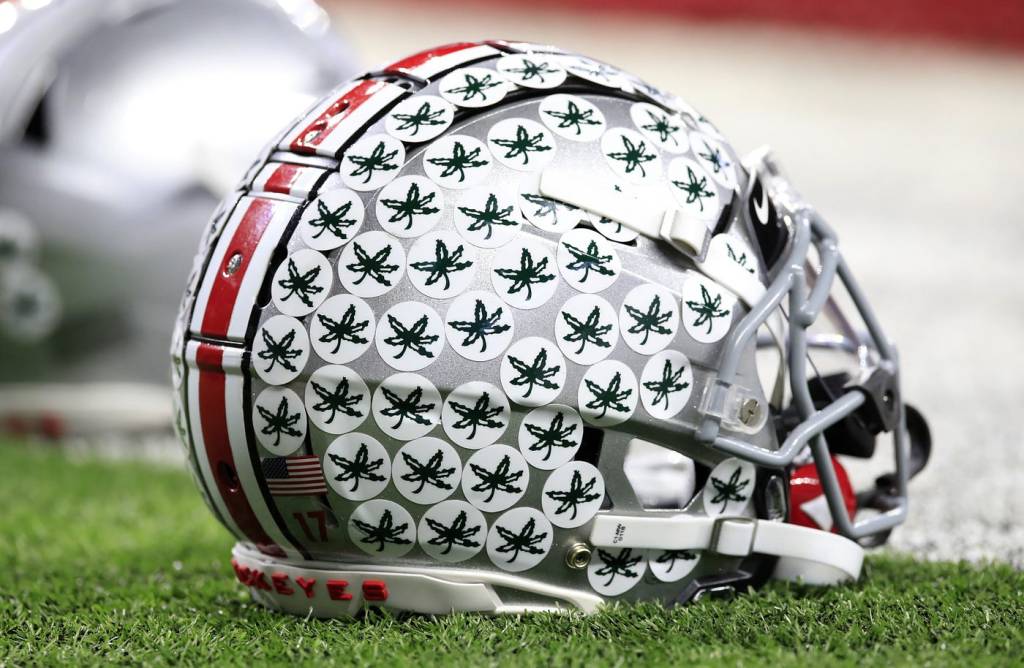
Of course, as we grow older, we like to imagine that our ways of signaling status become more meaningful and complex. But here’s the thing: they often don’t. Status symbols may shape-shift, yet they remain as arbitrary as stickers or a count of social media likes. I was reminded of this while watching Big Ten football games this fall. On the helmets of teams like Ohio State and Michigan, players earn stickers for exceptional plays or team/unit accomplishments. These small decals provide no direct material reward—no extra NIL dollars, no guaranteed endorsements—but they’re still coveted. In these athletic communities, such stickers carry weight because they publicly confirm the player’s skill and contribution to the team. You might wonder if college athletes – adults by most measures – would see these glorified stickers as too simplistic. But it seems they don’t. Rather, players take great pride in accumulating these marks of recognition, and coaches continue the tradition because it works. In other words, the idea of seeking status through symbolic rewards isn’t something we leave behind in childhood; it follows us, evolving and adapting to each new social arena we enter.
Advertisers understand this dynamic and use it to their benefit. They have tapped into the human desire for status and identity for as long as there have been brands to promote. Nike’s “Just Do It” campaign or Apple’s minimalistic branding don’t simply sell products; they sell membership in an exclusive club of people who “get it.” Adolescents, already hypersensitive to which groups they belong to, are drawn into these brand ecosystems because they reflect the values and attributes they’re eager to display—courage, creativity, belonging, or even rebellion. Neuroscience research suggests that during adolescence, the brain’s reward systems become more sensitive to social acceptance and recognition, making these signals even more potent.

Takeaways for Educators
So how do educators and school psychologists use this understanding for good rather than lamenting the shift away from neat rows of stickers on a chart? I think we can learn from frameworks like PBIS. PBIS isn’t about “bribing” students into compliance—it’s about acknowledging that social recognition can reinforce positive behaviors in a way that feels meaningful. We align school rewards with the values and aspirations of their adolescent communities. We introduce symbolic “status markers” that genuinely matter to students—a special pass that confers privileges, or a recognition ceremony that’s featured on a platform students care about. Instead of a one-size-fits-all approach, these methods tailor the reward structure to a developmental stage where social belonging is paramount.
The challenge is ensuring that these signals of recognition are authentic and reflective of the community’s core values. If the reward is too contrived or feels like a cynical ploy, students will see right through it. They’ll dismiss it as just another adult invention that fails to connect with their world. But if the symbol—be it a school-branded decal, stamps of teachers faces (yes, there’s a school doing this), a coveted “Wolf Card,” or a shout-out in a school announcement—is genuinely tied to attributes the students respect (collaboration, perseverance, creativity), it stands a better chance of gaining traction.
Research in motivational psychology, including Edward Deci and Richard Ryan’s Self-Determination Theory, underscores that people thrive when they feel competent, autonomous, and connected to others. Adolescents are no exception. If the forms of recognition we offer reinforce these basic psychological needs—if they help students feel that they’re capable, self-directed, and part of something bigger—then the “stickers” we give them, literal or metaphorical, might hold lasting meaning.
In the end, the idea that we’re “never too old for a sticker” isn’t about clinging to childish rewards. It’s about recognizing that symbolic tokens of achievement and belonging matter at every stage of life. The currency changes—from gold stars to sneaker brands, from teacher praise to peer approval, from helmet stickers to diplomas mounted on the wall—but the underlying motivation remains. We all want to be seen, to be valued, and to feel that we have a place in the group. But we also must offer multiple pathways for students to gain acknowledgment and foster an inclusive environment so we aren’t left without answers if one system falls short in some corners of the student body. Admittedly, I’m still learning how to do that. Nonetheless, understanding this reality—and designing school cultures that embrace it—can perhaps help us guide adolescents toward healthier, more productive ways of seeking the status they so deeply desire.
 Reflect.Ives